Murder Mystery 2026
Game design and show systems · October 2026
A murder-mystery game I wrote and ran for 14 friends at a castle in Putnam Valley, NY, over one night in October.
- Role
- I wrote it, designed it, built it and hosted it
- Players
- 14, plus a performer on pre-recorded video
- Where
- A 1935 stone castle in Putnam Valley, NY
- Timeline
- Started in February, played October 3
What it was
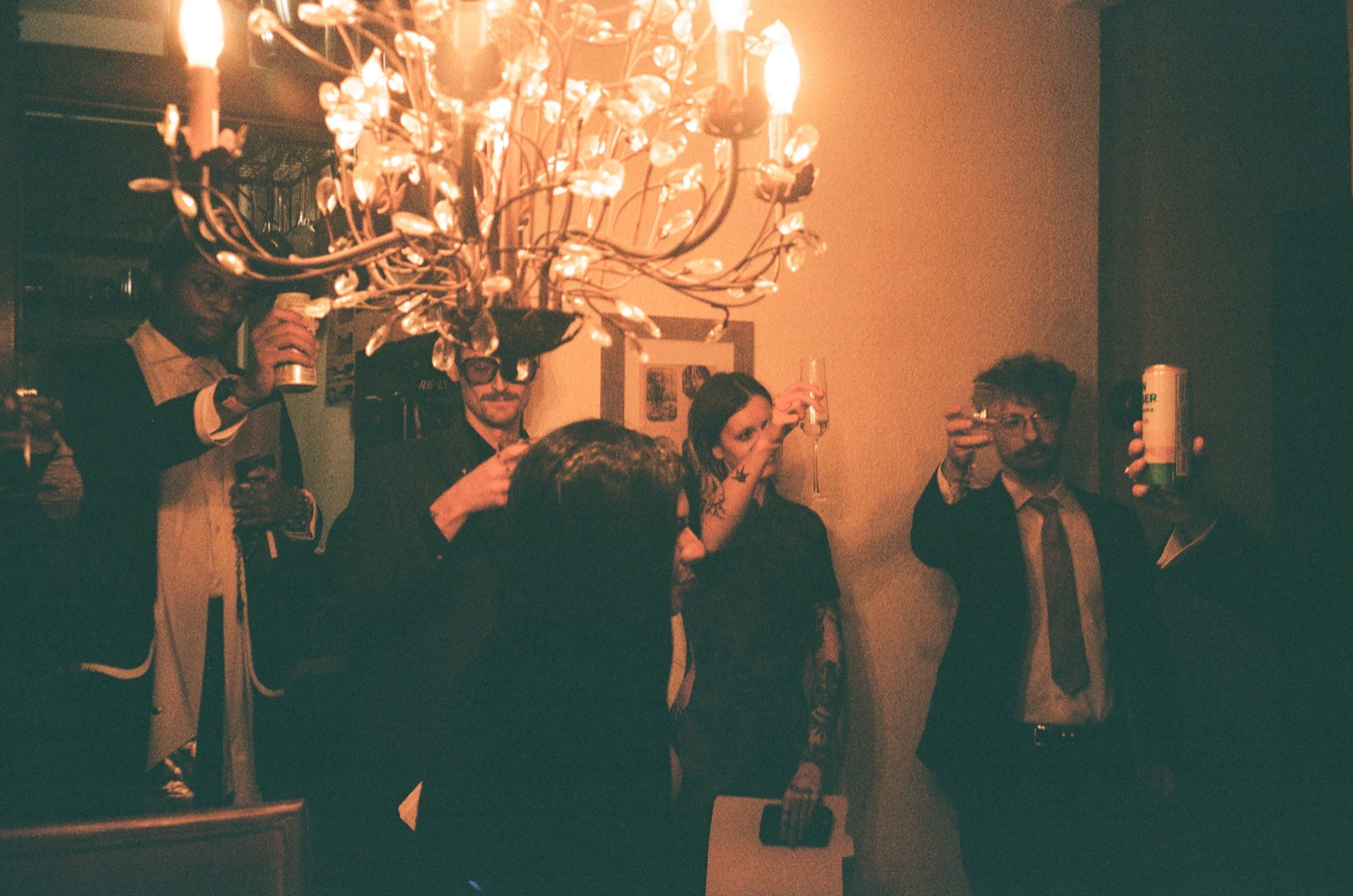
Every year I write a murder mystery for my friends, and this was the biggest one yet. Everyone got their character in the mail about ten days before: a secret, three objectives, and a list of who they were supposed to already know. Then we all drove up to a castle for the weekend and played it on Saturday night.
The challenge
In past years the game kind of ran through me. I was the one moving the story along and nudging people when they got stuck. This year I wanted to host instead of operate, so the goal was zero live cueing. Everything a game master usually keeps in their head (when the plot moves, what people can find, who needs to talk to who) had to be built into the house, the paper and the videos before anyone showed up. The character sheets were mailed and locked, so I couldn't fix anything after that.
What I built
Story and characters
Fourteen characters that all tangle into each other. My main rule was that every clue should force two specific people to talk. I also wrote down a test every motive had to pass, and kept a map of what would break every time I changed something (which was a lot).
Explore the case file: the character web, the evidence and how it all connects.
Print and props
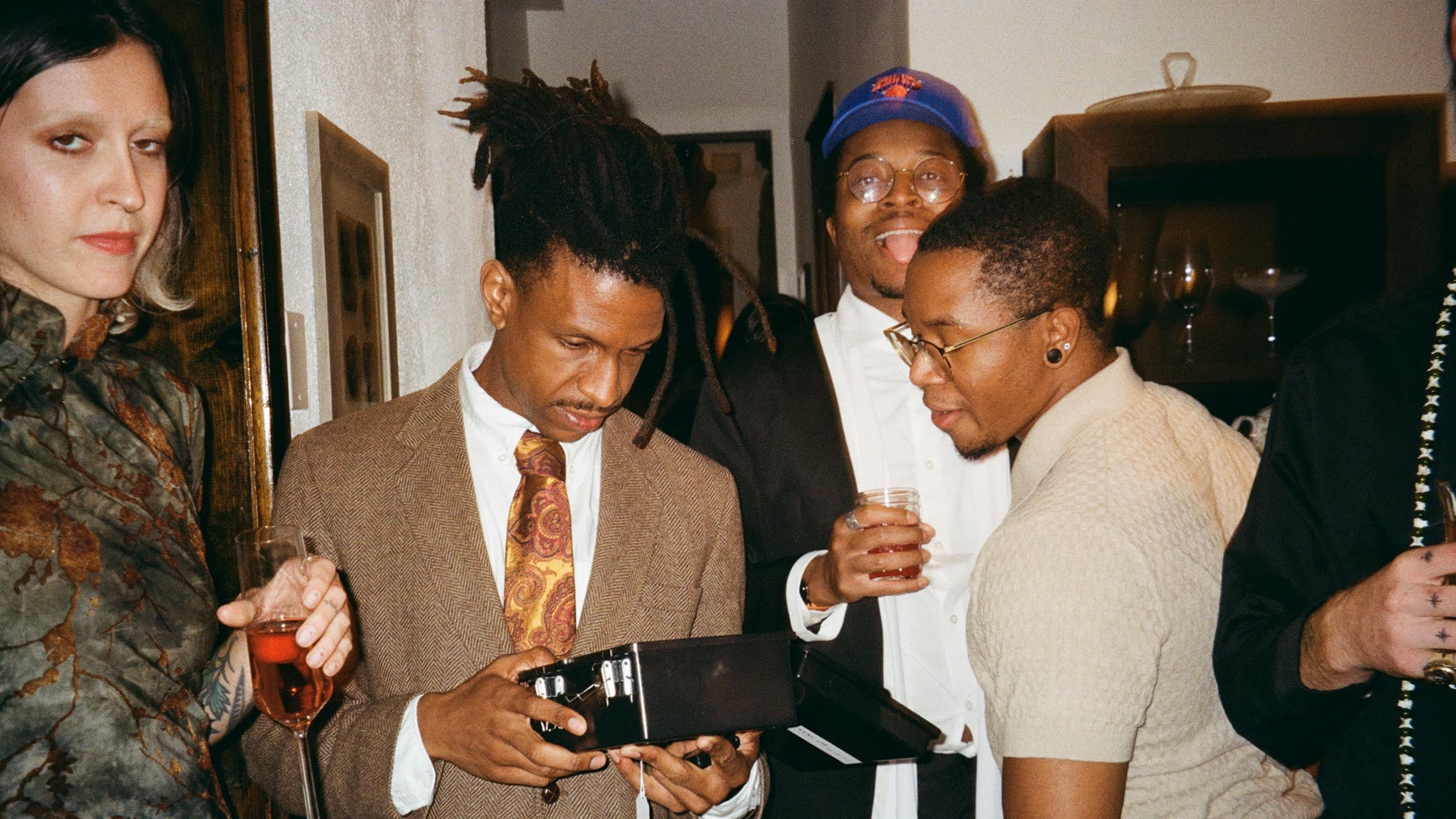
About 45 pages of evidence, each one made to look like its own kind of document, with a different handwriting font for every person who "wrote" something. There were 46 props, including locked bags, combination locks, a ham radio and a black box that looked like a literal time bomb (it got a big reaction). Also a 44-page black book zine, and a Raspberry Pi locked inside a junction box.
Video
Five pre-recorded videos from "the Commissioner," played by a professional performer, moved the night from one phase to the next. They played off a TV sequencer I built, with a looping holding screen in between and a "signal lost" glitch on the way in and out.
The websites and the chat channel
The pamphlet we mailed out had a QR code that led to a few in-world websites: a newspaper, a betting site and a tabloid. During the game, players could send evidence to a chat channel to get it "tested," and I built a GM console behind it so I could hold it, mute it or schedule messages.
How it went
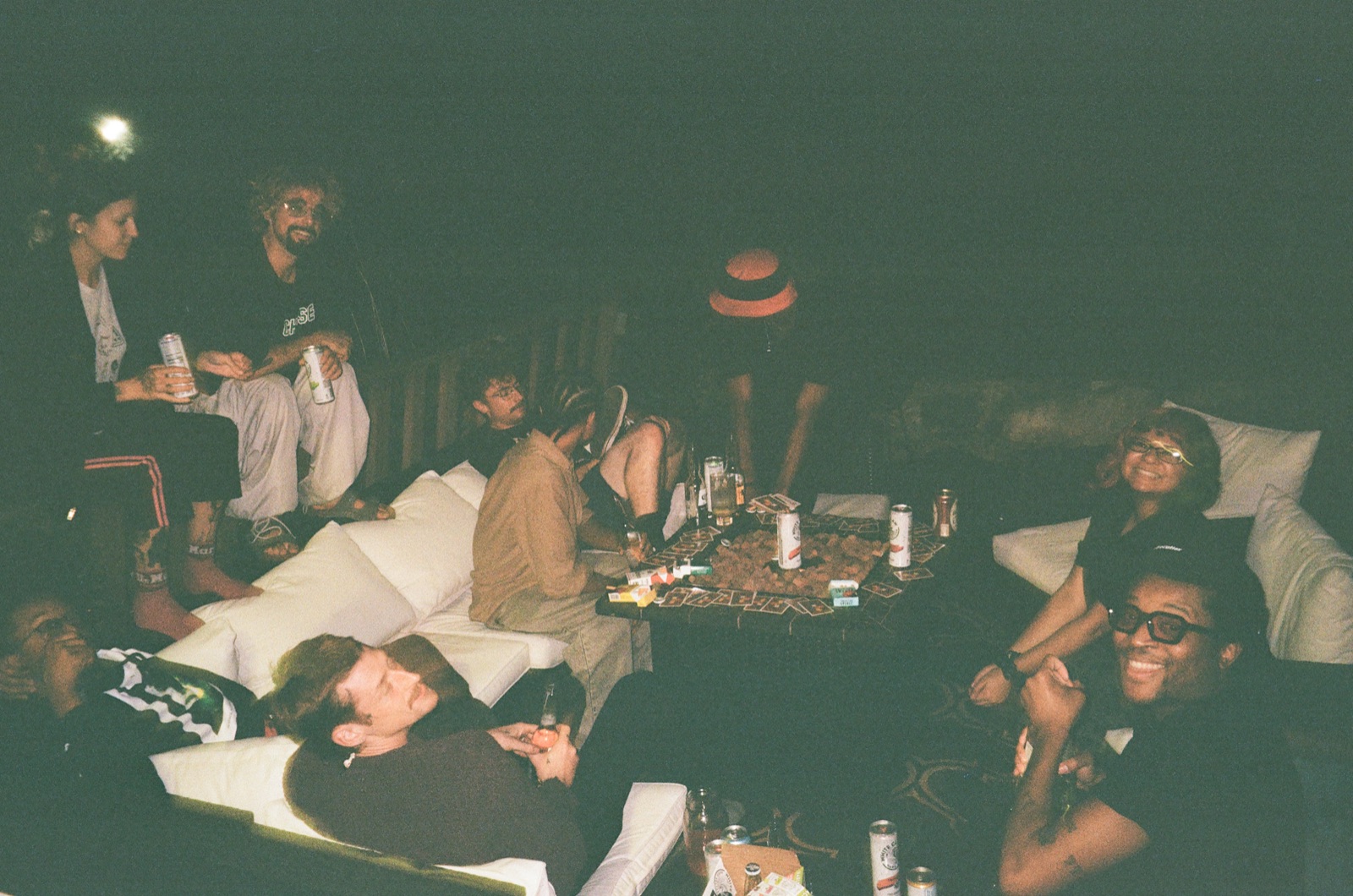
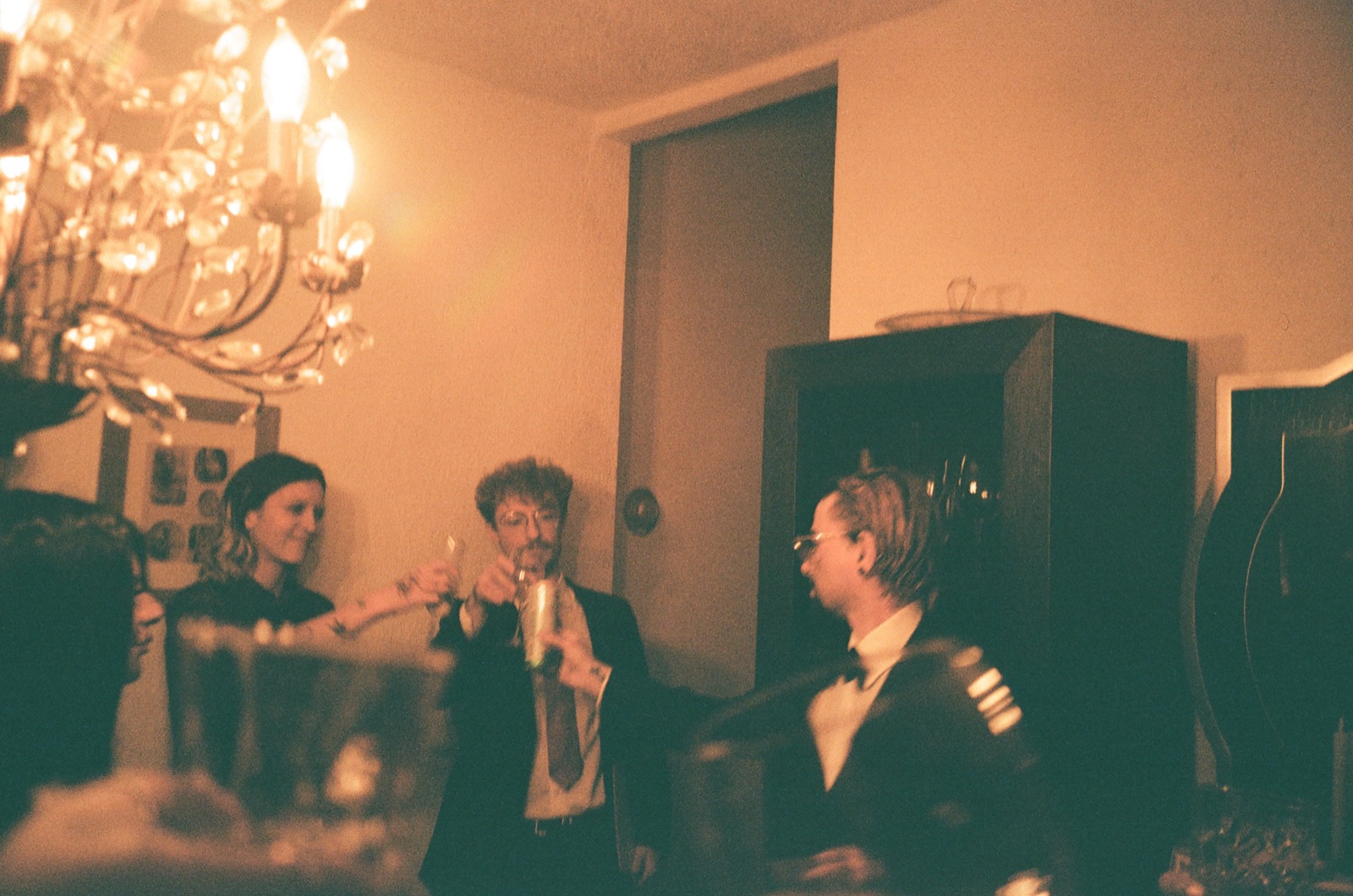
People started before the game did. I had everyone wait outside while I set out the evidence, and by the time I came back they'd asked for their character sheets early and were already in character, with drama going. We did three rounds of accusations around the fire pit, and pretty much everyone got pointed at at some point.
What I'd change
Everything ran on its own except the chat channel. Players used it like an oracle ("who owns this lighter?") when I'd built it to run lab tests, so a lot of their messages got nothing back, and I ended up stepping in by hand about eight times to keep things moving. Honestly, most people liked trading evidence face to face anyway. Next year the bot is out and I'm putting physical labs in the house instead: find a lock, work out the code, test what's inside, and follow the result to a person.
Other notes for next time, mostly from the players: brighter evidence tags, a sheet that says who everyone is, a surprise evidence drop halfway through, and costumes with pockets.